Information
Landmark: Hal Saflieni HypogeumCity: Paola
Country: Malta
Continent: Europe
Hal Saflieni Hypogeum, Paola, Malta, Europe
Overview
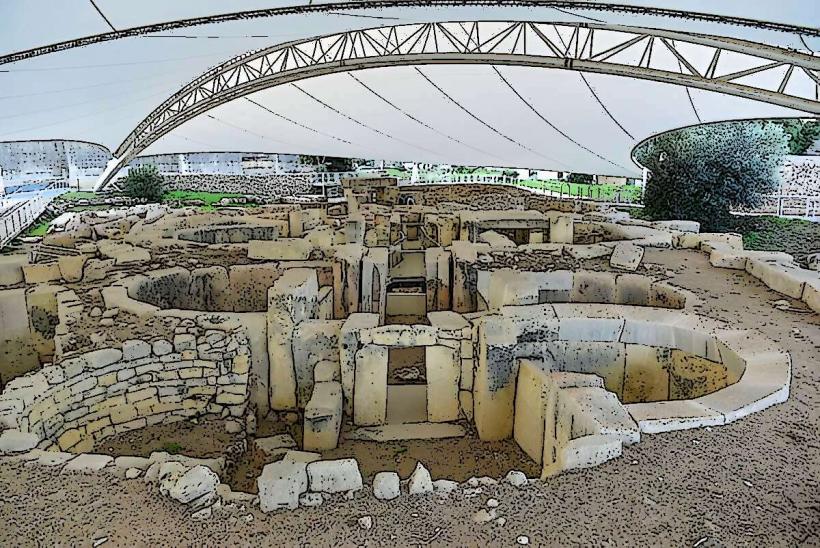
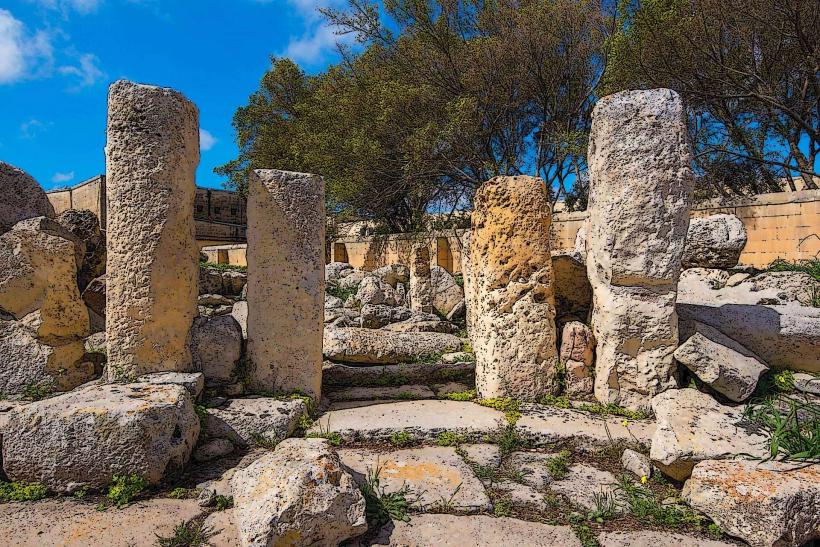
Oddly enough, Ħal Saflieni HypogeumThe Ħal Saflieni Hypogeum, located in Paola, Malta, is an underground prehistoric burial site and temple complex that stands as one of the most remarkable archaeological discoveries in the world, likewise in Paola, Malta, the Ħal Saflieni Hypogeum lies hidden underground-a prehistoric burial site and temple complex carved into cool limestone, and one of the world’s most extraordinary archaeological finds.It dates back to about 4000 BCE, stands as a masterpiece of ancient engineering, and today holds a area on UNESCO’s World Heritage list, on top of that the Hypogeum, built in the Neolithic era between about 4000 and 2500 BCE, is more than 5,000 years antique.First a sanctuary, it was later used for burials, its chambers still echoing with the past, besides people believe it once held the remains of about 7,000 people, and workers stumbled upon it in 1902 while digging through the damp earth for a building site.Mind you, Soon, excavations uncovered just how remarkable its history and architecture were, in turn the Hypogeum unfolds as a maze of hand-carved chambers stacked across three underground levels, its pale limestone walls still bearing the marks of ancient tools, moderately First, likewise the Upper Level is the oldest and simplest, likely once used for rituals, with carved pits that may have held offerings like grain or minute vessels.The Middle Level holds the most elaborate chambers: the Main Hall with its soaring corbelled ceilings; the Holy of Holies, a sacred space for rites; and the Oracle Room, where a whisper can echo through the stone, besides here, red ochre, intricate carvings, and spiraling patterns catch the eye.As it turns out, The Lower Level, deepest of all, served mainly for burials-plain in decoration but steeped in a hushed, mysterious air, also the Hypogeum reveals remarkable engineering skill, from corbelled ceilings and finely carved stone to a clever water system-all crafted without metal tools.Faded red ochre spirals wind across its walls, thought to mark the cycle of life, death, and rebirth, not only that in the Oracle Room, a single word can echo like a drumbeat, hinting at its use for chants or sacred rites.Excavations uncovered treasures such as the Sleeping Lady, a palm-sized figurine linked to fertility, along with pottery, tools, and beads that shed light on Malta’s earliest people, as a result together, they speak to the ingenuity and spiritual depth of this prehistoric culture.The find changed how we spot Neolithic cultures in the Mediterranean, as if a curtain lifted to reveal a coastline we’d never noticed before, moreover blending funerary rites, sacred rituals, and intricate art, the site feels like it once pulsed at the heart of the community’s spiritual life.Stepping into the Hypogeum feels like slipping underground into cool, echoing stone, in conjunction with access is restricted-only 10 visitors are allowed each hour to protect the site, so you might find the path quiet and the air still.You’ll need to book tickets months ahead, alternatively once inside, guides lead you through the echoing chambers as lights flicker and a calm voice tells the story of the site’s past.Nearby, the Tarxien Temples-also recognized by UNESCO-offer a deeper glimpse into Malta’s Neolithic culture, moreover the Ħal Saflieni Hypogeum earned its UNESCO World Heritage status in 1980 for its remarkable cultural importance.People regard it as a rare glimpse into prehistoric art, architecture, and spirituality, like finding a single carved stone worn smooth by centuries of touch.
Author: Tourist Landmarks
Date: 2025-09-02